


Ever looked up at your bungalow roof and wondered what potential is hiding under there? You’re not alone. A bungalow loft conversion is one of the most effective ways to unlock unused space and add serious value to your home.
With property prices rising and families needing more room, converting a loft in a single-storey home offers a practical alternative to moving house. From creating a light-filled bedroom to a dedicated home office or studio, the potential is huge, but so are the decisions involved.
This guide walks you through every key stage, from planning permission and structural checks to design ideas, cost breakdowns, staircase requirements and regulations. Whether you’re dreaming of dormers or simply exploring your options, this is where your loft conversion journey begins.
Contents
What is a bungalow loft conversion?
A bungalow loft conversion is the process of transforming the empty roof space in a single-storey property into a functional living area. Because bungalows do not have upper floors, loft conversions provide a unique opportunity to expand upwards without altering the footprint of the building.
Homeowners often use the new space for master bedrooms, en-suites, offices, guest rooms or creative studios. Depending on your goals, the loft can become a peaceful retreat or a practical family space.
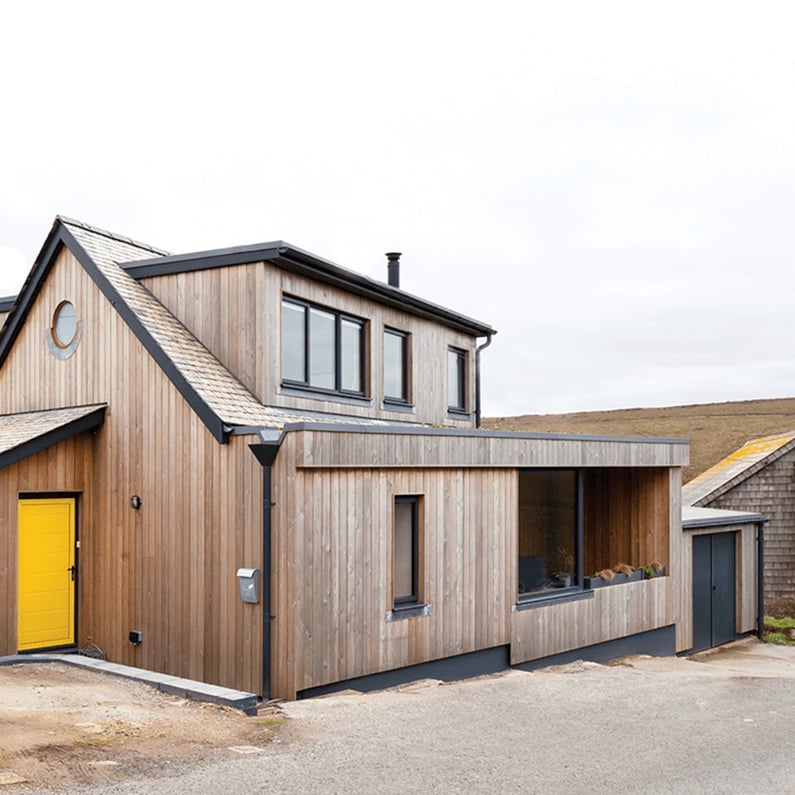
Loft conversion types
There are several different loft conversion styles used across the UK, each offering unique advantages depending on your roof shape, structural layout and budget. The right option for your home will depend on how much height you have, how much space you want to create, and whether planning constraints apply.
Below is a breakdown of the main types, including where they work best and what to expect from each one.
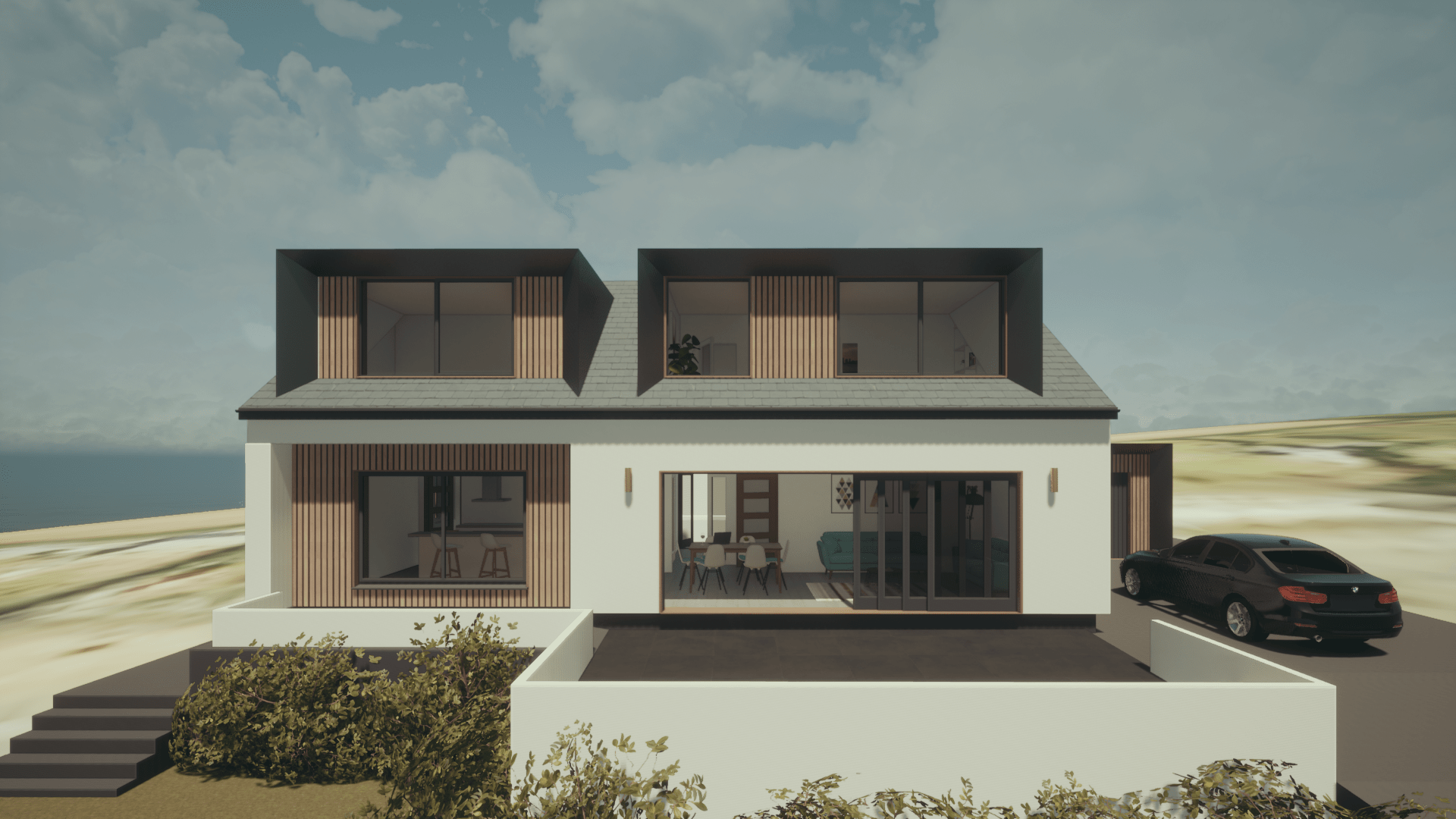
Dormer loft conversion
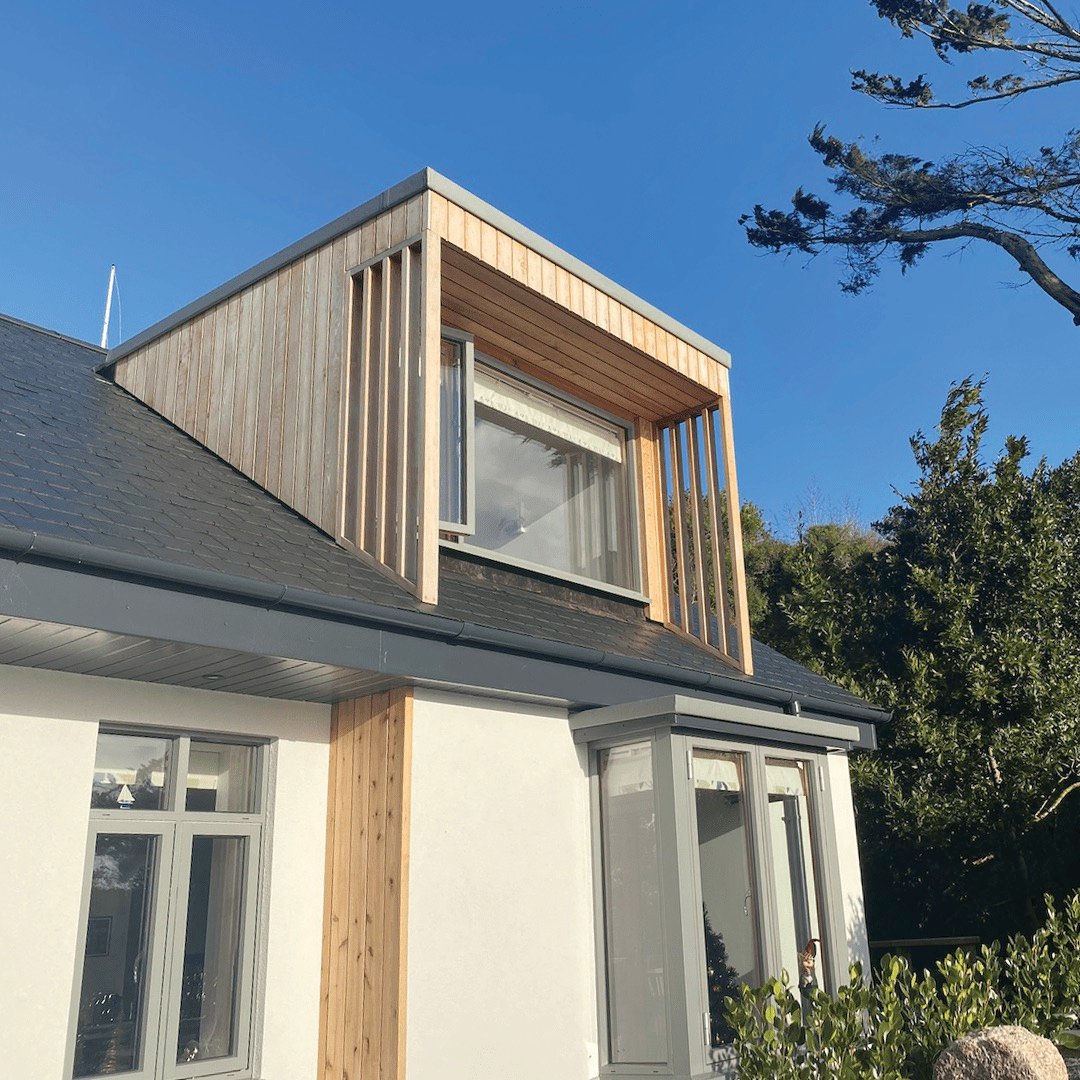
A dormer is one of the most popular and cost-effective choices for homeowners. It extends vertically from the existing sloped roof, creating a box-shaped projection with flat walls and ceilings inside. This immediately improves headroom and makes the floor plan more practical.
Dormers can run across the full width of the roof or appear in smaller,separate sections. Standard windows are used rather than rooflights,making the space feel more like a traditional room.
Dormers can sometimes fall under Permitted Development. Flat roof dormers are usually the simplest option. Pitched or gabled dormers can be more attractive visually bu they typically cost a little more and may provide less internal height.
Mansard loft conversion
A mansard conversion involves reshaping the entire roof to create an almost vertical rear wall, typically around 70–72 degrees, with a reduced pitch above.
This style can be seen in terraced and period properties,where creating maximum interior volume is a priority. Because the design alters the roof shape significantly, it almost always requires planning permission.
Mansards offer excellent scope for large bedrooms, en-suites and generous floor plans, but they can cost more than simpler conversion types.
Roof light (Velux) loft conversion
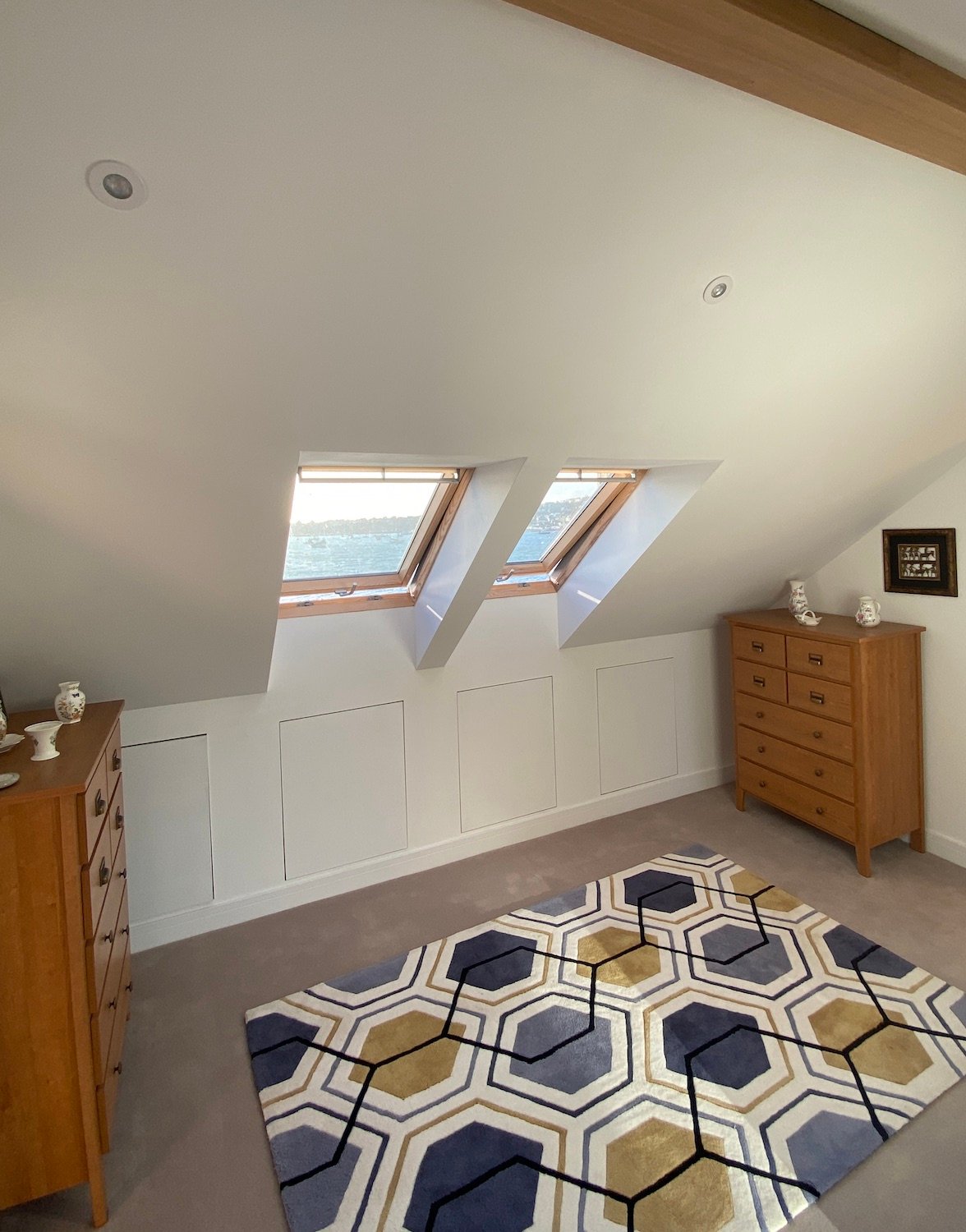
A roof light conversion is the simplest and can be the most affordable option. The existing loft is left largely intact, with roof windows installed to bring in daylight and ventilation.
Because the roof shape doesn’t change, this type is ideal where you already have enough internal height. The floor may need strengthening, insulation added and a staircase installed, but the overall disruption is lower than other methods.
This is a great choice for smaller lofts or those used as occasional bedrooms or home offices. In many cases, roof light conversions don’t require planning permission but it is advisable to check with your local planning authority.
Hip-to-gable loft conversion
Homes with hipped roofs, particularly bungalows, semi-detached houses and some detached properties, can benefit from a hip-to-gable conversion.
This involves extending the sloping hip into a new vertical gable wall, increasing internal head height and creating a more usable rectangular space. Once the gable is built, the roof is returned to a standard pitched design, allowing for traditional windows and better room layouts.
Modular loft conversion
Modular lofts are pre-fabricated structures built off-site and craned into position after the original roof is removed. Because much of the construction happens in a factory, onsite time is dramatically reduced.
These systems often include pre-installed windows, insulation, electrics, bathrooms and internal finishes, making them a fast, efficient option. They usually come with Building Regulations and Part P certificates included.
Accurate measurements are essential for success and planning permission may be required depending on the design and location.
Can my bungalow loft be converted?
Not every loft is immediately suitable for conversion and some require more structural work than others. Before committing to a design, it’s important to understand whether your loft has the height, structure and access potential to become a comfortable, compliant living space. Here are the key factors that determine whether your loft can be converted,and how complex the project may be.
Available head height
The first thing to check is the usable height inside your loft. This is measured from the top of the existing loft floor joists up to the underside of the ridge beam.
While UK building regulations allow converted spaces to have head heights around 2.2m, a more practical and comfortable finished height is closer to 2.4m, especially once flooring, insulation and plasterboard reduce the space further.
If your loft falls below this, a conversion may still be possible, but it could require solutions such as raising the roof or lowering the ceiling beneath, but this could be a costly solution.
The roof pitch
Your roof pitch (the angle of the roof) has a major impact on how much usable space is available.
As a general guide, roofs steeper than 30 degrees tend to be the easiest to convert, offering more central headroom and better opportunities for circulation space.
The steeper the pitch, the more flexible your design options become, particularly for placing bedrooms or bathrooms beneath the ridge.

How long does a loft conversion take?
The time it takes to complete a loft conversion varies depending on the type of conversion, the complexity of the structure and how much redesigning is involved. While every project is unique, most loft conversions in the UK follow a similar timeline.
Typical timescales by conversion type
- Roof light (Velux) conversion: 8 weeks
This is the quickest option because the roof structure can often stay the same, internal strengthening, new staircase, insulation and window installation are required. - Dormer loft conversion: 12-16 weeks
Adding a dormer involves structural alterations, fresh roofing work and more internal finishing, making the build longer than a simple roof light conversion. - Hip-to-gable conversion: 12-16 weeks
Because the side of the roof is being rebuilt to create a new gable wall, the work takes longer and requires more structural input. - Mansard loft conversion: 16-24 weeks
This is the most involved type,as it reshapes the entire roof. The build typically requires planning permission, which can influence the timeline. - Modular loft conversion: 4-8 weeks on site (after off-site fabrication)
These are constructed in a factory and craned into position, so the on-site time is reduced, but the design, surveys and manufacturing stage still take several weeks in total.
What affects the timeline?
The length of a loft conversion can vary depending on a few practical on-site and planning factors. Some elements can speed things up; others may add extra time.
- Planning permission & approvals – add a couple of months to prepare and 6-8 weeks to gain approval if required
- Structural complexity – trussed roofs or steel beams can extend the build
- Adding a bathroom – plumbing and drainage increase installation time
- Weather conditions – can delay external work on dormers, mansards or hip-to-gable conversions
- Access & staircase design – bespoke staircases often have longer lead times
- Material & trade availability – especially during peak seasons
Typical full project timeline
From your first enquiry to final sign-off, this is what we would expect:
- Survey, design & drawings: 4 months
- Planning permission (if required): 8 weeks
- Structural engineering: 3 weeks
- Building control application and approval: 2-3 months
- Construction on site: 2-3 months depending on type
- Final inspection & completion: 1 week
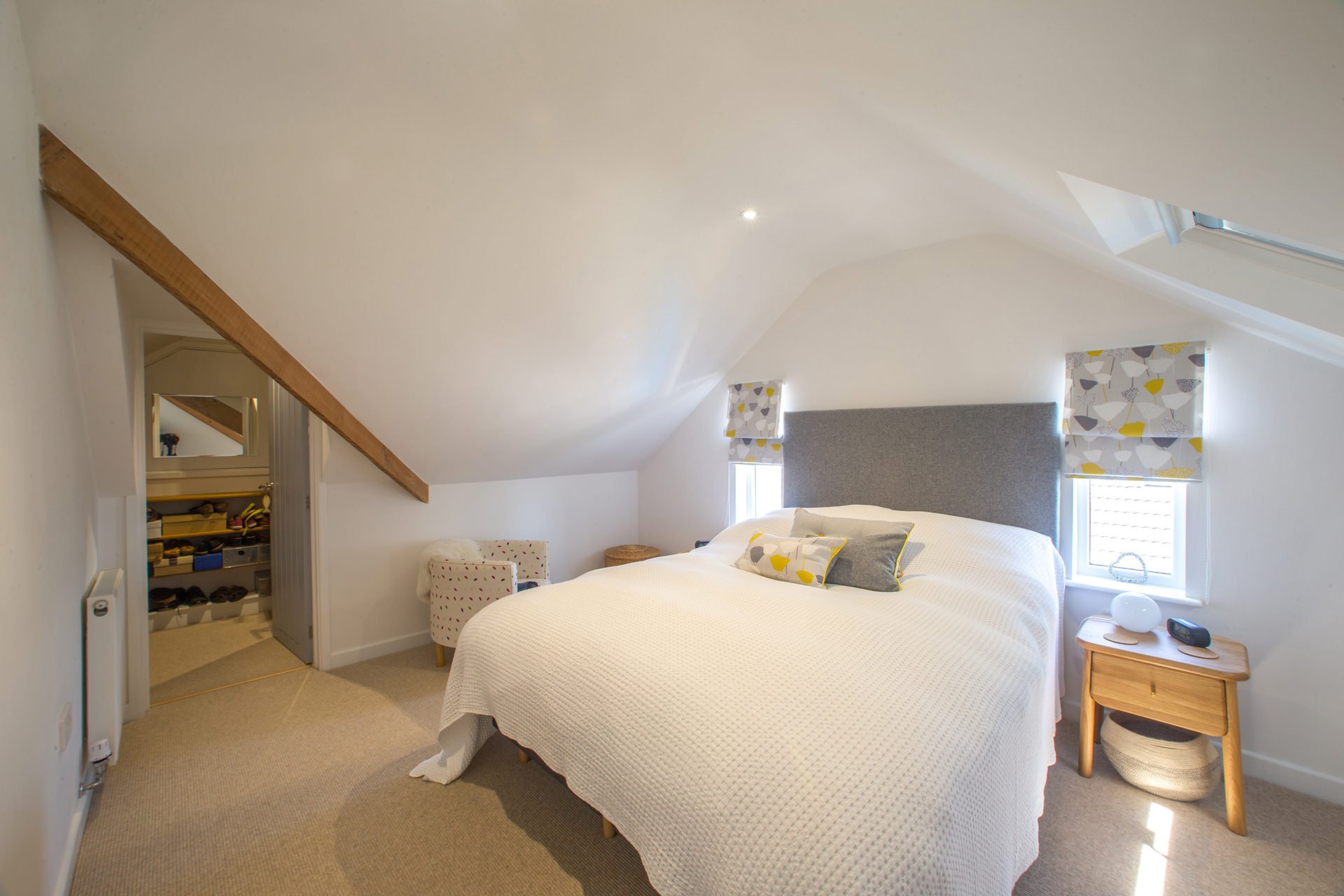
Adding a bathroom in a loft conversion
For many homeowners, the appeal of a loft conversion lies in creating a self-contained bedroom suite, complete with an en-suite or full bathroom. While this is entirely possible, it does add extra technical considerations.
The main challenges include:
- Ensuring good water pressure at loft level
- Providing an efficient route for waste pipes
- Strengthening the floor to support heavy fixtures
- Managing moisture, ventilation and waterproofing
Your builder and structural engineer will need to confirm that the floor structure can support the additional weight and that drainage routes are feasible. Marine-grade plywood and waterproof tile boards are typically required for durability and long-term performance.
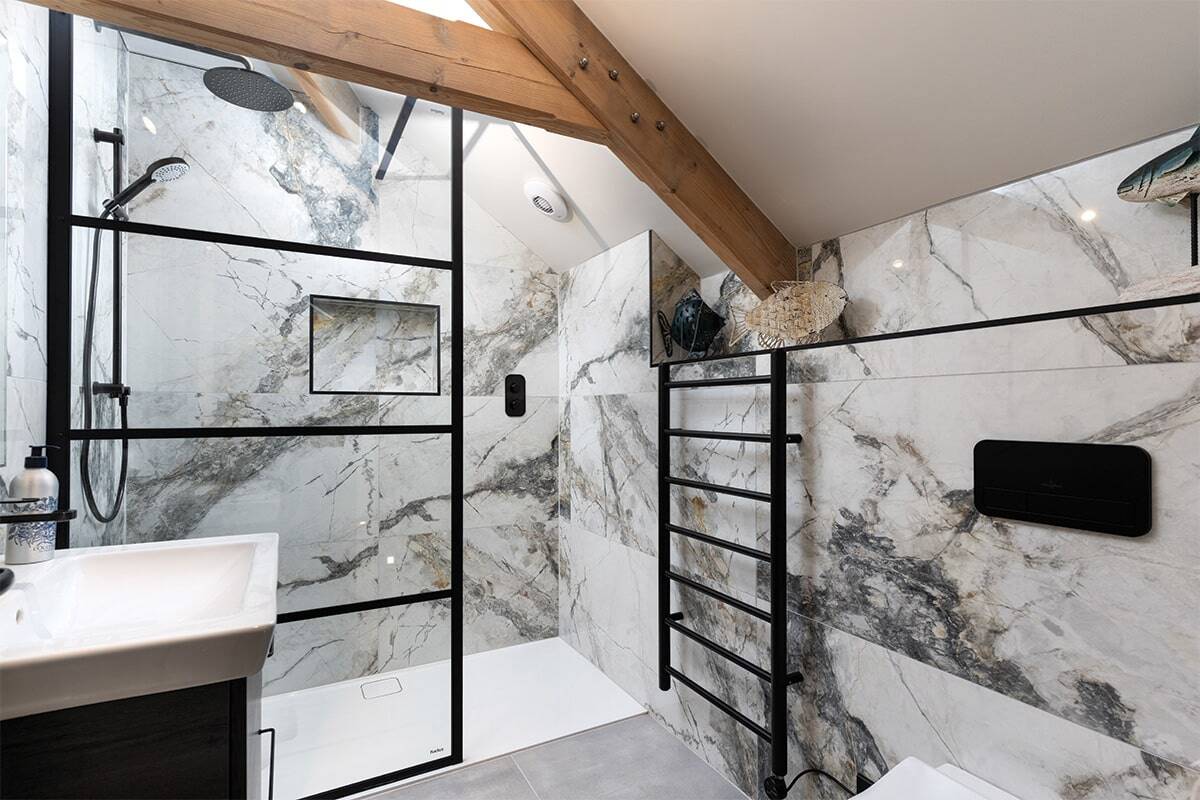
Planning the bathroom layout early allows your design team to integrate plumbing, electrical runs and ventilation efficiently, helping avoid costly changes later in the build.
Type of roof structure
Roofs in UK homes typically fall into one of two categories:
Cut roofs
Often found in homes built before the 1960s, cut roofs are constructed using individual rafters, joists and purlins. These create a more open triangular loft space with fewer internal obstructions, making them ideal for conversions.
Trussed roofs
Common in properties built from the late 1960s onward, trussed roofs use prefabricated W-shaped timber frames for strength. These structural webs can limit available space and require more engineering work to open up safely.
Both types can be converted, but trussed roofs usually need additional structural solutions, such as:
- Installing new floor joists
- Adding steel beams (RSJs) between load-bearing walls
- Strengthening rafters with additional timber or OSB bracing
All structural alterations must be designed by a structural engineer and installed before any existing trusses are cut or removed.
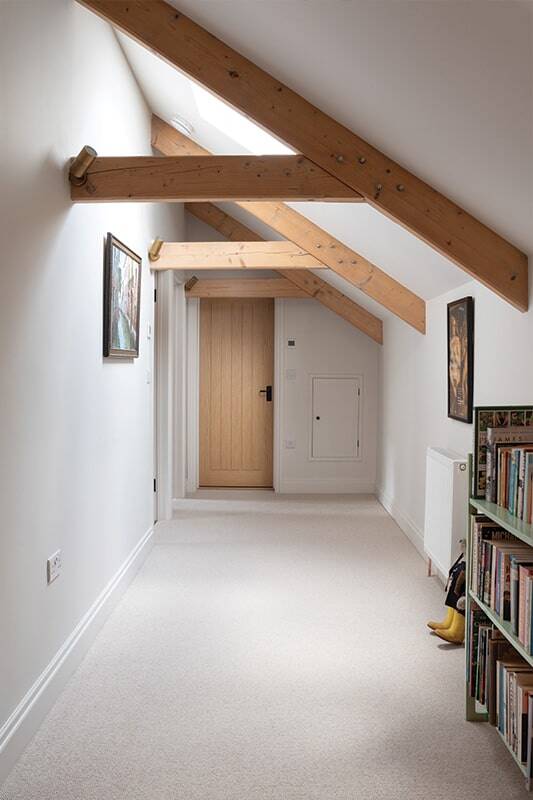
Benefits of converting a bungalow loft
Converting a bungalow loft is one of the most effective ways to reimagine how you use your home. Because bungalows have all their living space on one level, unlocking the roof void can dramatically reshape the layout, giving you room where you need it most without extending outward or compromising your garden. The result is a home that feels brighter, more spacious and better connected to the way you live day-to-day.
- Makes use of empty roof space, adding functional square metres.
- Increases property value significantly.
- Enhances natural light and offers better views.
- Provides an alternative to moving, saving time and stress.
- Creates private, upper-level living areas ideal for bedrooms or workspaces.
Bungalow loft conversion cost (UK guide)
The cost of a bungalow loft conversion varies depending on the size of your loft, the structural work required and the type of conversion you choose. As a general guide, most homeowners can expect the following price ranges:
- Velux/ rooflight conversion: from £50,000+
The most cost-effective option, ideal when the existing roof height is already sufficient. - Dormer loft conversion: £75,000–£100,000+
Adds valuable head height and increases floor area with a more practical, box-shaped extension.
- Hip-to-gable conversion: £100,000-£150,000+
Best for homes with hipped roofs, creating a full-height gable wall and significantly improving space.
These figures can rise depending on the level of finish and the complexity of the build. Features such as en-suites, bespoke storage, structural steelwork, upgraded insulation and premium glazing will all influence the final price.
It’s wise to allow a 10–15% contingency to cover unforeseen issues uncovered during construction, such as additional structural reinforcement or updates to existing services.
Bungalow loft conversion regulations (UK requirements)
Most bungalow loft conversions fall under Permitted Development Rights, meaning planning permission is not required if certain conditions are met. These include limits relating to added volume, roof height and materials.
Building regulations always apply. Your conversion must meet standards for structural safety, fire protection, insulation, ventilation and staircase design.
If your property is listed or in a Conservation Area, rules may be stricter and planning permission may be required.
Fire regulations for bungalow loft conversions
Fire safety plays a major role in every loft conversion and is essential for meeting Building Regulations. The main requirements typically include:
FD30 fire doors
Used to create a protected escape route, depending on how your new staircase connects to the existing layout.
Mains-wired, interlinked smoke alarms
Required on every floor of the home. All alarms must be connected to the mains so they activate simultaneously.
Compliant escape windows
Egress windows must provide a clear opening large enough, and low enough, for safe escape in an emergency providing it is not too high from the external ground levels.
A safe, continuous escape route
The staircase must offer adequate headroom, proper guarding and an unobstructed route down to the final exit.
Building Control will check each of these elements throughout the project to ensure your conversion is safe and fully compliant.
Structural considerations and feasibility checks
Before a bungalow loft conversion can begin, the existing structure must be assessed to confirm it can safely support a new habitable floor. Feasibility largely depends on roof height, roof pitch, and the load-bearing capacity of the existing building. As a rule of thumb, your loft should offer at least 2.2m of head height before insulation and flooring to create a comfortable final room height.
Several key structural elements influence whether your loft can be converted and how complex the project may become:
Strength of existing joists
Standard loft joists aren’t designed to support the weight of a new room, staircase and furniture. Most bungalows require upgraded or entirely new joists to create a safe, solid floor.
Chimney stacks or water tanks
Obstructions like tanks or chimney breasts can restrict the layout. Tanks often need relocating or removing altogether, while chimney sections may need structural alteration or support.
Load-bearing walls
The existing walls must be capable of transferring new loads down to the foundations. A structural engineer will confirm where reinforcement is needed.
Structural steel (RSJs)
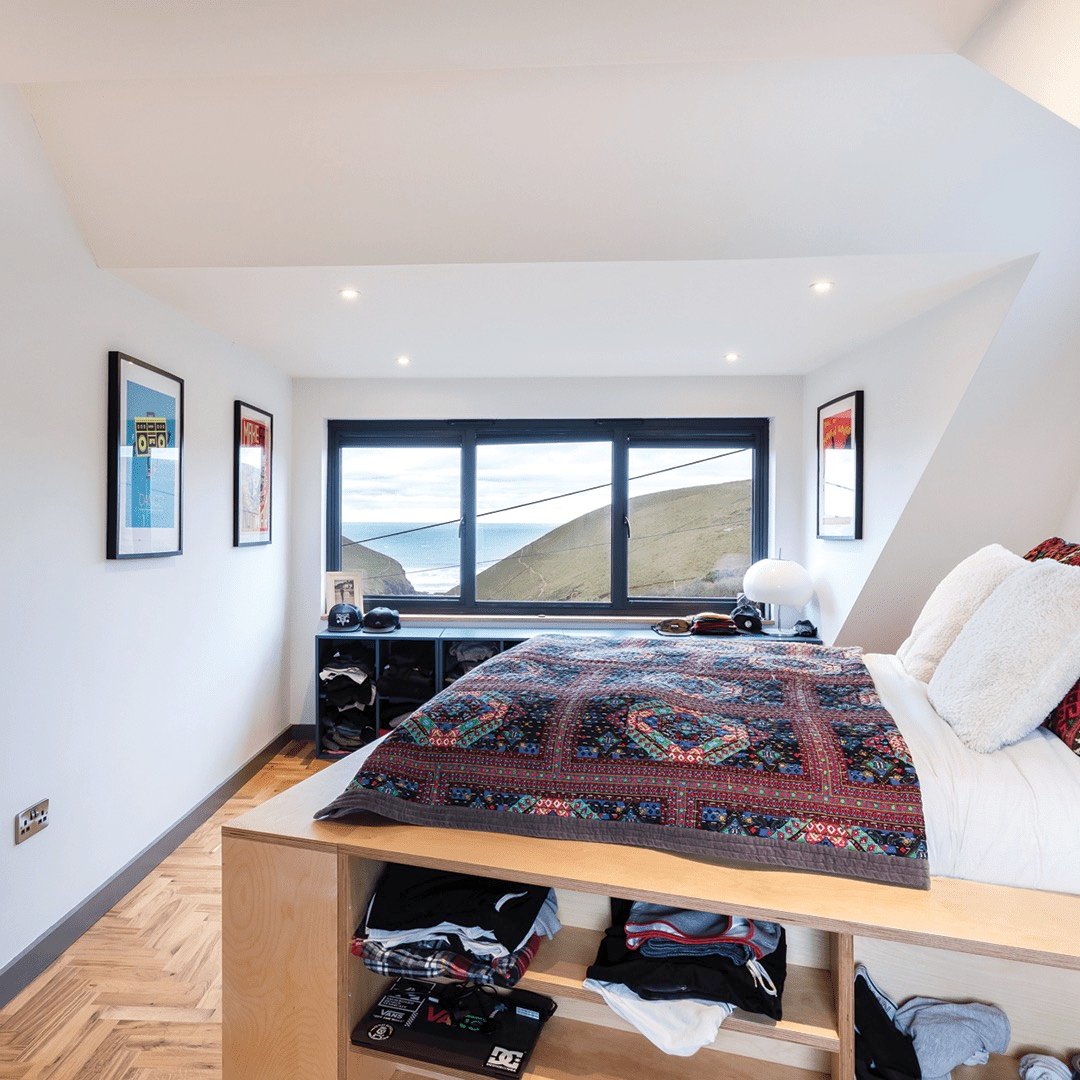
Most conversions require new beams to support the floor, dormer structures or altered roof shapes. These must be installed precisely to avoid compromising the existing roof.
Structural requirements by loft conversion type
Different loft conversion styles place different demands on the structure. Here’s what each type generally requires:
Dormer loft conversion
Dormers extend the roof to create more headroom and usable space. Typical structural requirements include:
- New floor joists
- RSJs spanning between load-bearing walls
- Framing for the dormer walls and roof
- Reinforcement to existing rafters where cut
- Adjustments for window openings and weatherproofing
Dormers are one of the most common choices for bungalows due to their ability to unlock significant height and space.
Hip-to-gable loft conversion
Ideal for bungalows with a hipped roof, this type straightens the sloping end into a new vertical wall. Structural work usually involves:
- Removing part of the original hipped roof
- Building up the gable end with new blockwork or timber framing
- Adding new rafters to form the extended roof
- Installing RSJs to support the new structure
- Reinforcing the ridge line for additional load
This approach dramatically increases central headroom and creates a more regular floor layout.
Mansard loft conversion
A mansard alters the entire slope of the roof to form a near-vertical rear wall. Structural requirements typically include:
- Major roof reconstruction
- New timber framework for the mansard wall and flat roof
- Multiple RSJs to support the altered structure
- Raising party walls (common in terraced homes)
- Rebuilding large sections of the existing roof
This is the most involved structurally but offers the largest internal volume.
Roof light (Velux) loft conversion
The simplest option structurally, as the roof shape remains unchanged. This usually requires:
- New strengthened floor joists
- RSJs or timber beams to support the floor
- Rafter reinforcement around new roof window openings
- Staircase installation into the existing layout
- Upgraded insulation to meet Building Regulations
This is ideal where the bungalow already has good head height.
Modular loft conversion
Prefabricated off-site and craned into position. Structurally, it requires:
- Removing the existing roof
- Reinforcing walls and beams to take the modular weight
- Preparing service connections (electrics, plumbing)
- Ensuring accurate measurements for a perfect fit
This option is fast but demands highly accurate preparation.

Why structural feasibility matters
If the structure isn’t properly assessed and upgraded, you risk:
- Sagging floors
- Roof movement or cracking
- Insufficient headroom
- Failure to meet Building Regulations
- Increased project costs later
Early involvement from an architect and structural engineer ensures your design is safe, compliant and buildable, and helps prevent unexpected costs or redesigns further down the line.
Bungalow loft conversion plans & floor plan layouts
Creating the right layout is crucial for comfort and flow but also you don’t want to regret not having a different layout. These are the most popular layouts
- Master suite with en-suite bathroom
- Two smaller bedrooms
- Home office or creative studio
- Guest accommodation
At Marraum, we survey, design and model these layouts using 3D and VR tools so you can walk through the space before it’s built, saving time and money down the line.
Staircase requirements for bungalow loft conversions
Staircase placement is often one of the main design considerations in a bungalow, as it needs to fit comfortably without disrupting the existing layout. Key requirements include:
- 2.0m minimum head height above the staircase
- Compliance with fire protection standards
- A natural connection with the current floor plan
- Space-saving designs where room is limited
Bungalow loft conversion before and after
A bungalow loft conversion has the power to transform not just your home, but the way you live within it. Before the work begins, the loft is typically a forgotten void, dark, dusty and used only for storage. Despite the square metres hidden overhead, it often feels disconnected from the rest of the house and full of untapped potential.
After a conversion, that same space becomes a bright, uplifting upper floor that feels like a natural extension of your home. With considered design, thoughtful window placement and careful attention to insulation and acoustics, the new loft level can feel surprisingly spacious and serene. Whether you choose a master suite, a home office or a guest room, the transformation is both functional and emotional.
Design options for bungalow loft conversions
Design should reflect how you want the new space to feel and function.
Consider:
- Staircase flow
- Natural light
- Insulation & ventilation
- Ceiling heights
- Storage solutions
A round up costs, budgeting and project timeline
A bungalow loft conversion involves several interconnected stages,each contributing to the overall cost and duration of the project. Knowing what happens when, and what decisions influence the price, helps you plan with confidence and avoid unexpected delays. While every home is different, most projects follow a well-defined structure from initial survey through to final sign-off.
Typical project stages
Survey & architectural design
Your project begins with a measured survey of the existing bungalow, followed by early design concepts, layout planning and 3D/VR modelling. This stage is crucial for understanding head height, staircase placement and overall feasibility.
Timeframe: 4 months
Planning approval (if required)
Many bungalow loft conversions fall under Permitted Development, but anything involving major roof alterations, such as hip-to-gable or larger dormers, may require planning permission. Your architect will prepare and submit the application and liaise with the planning authority on your behalf.
Timeframe: 8 weeks (if planning is needed)
Structural design & calculations
A structural engineer designs the new floor structure, steel beams, ridge supports and any alterations needed to safely convert the space. This ensures the new loft meets Building Regulations for strength and stability.
Timeframe: 3 weeks
Build phase
Construction begins with installing steels, reinforcing joists, forming dormers or gables, adding insulation, fitting windows, running electrics and plumbing and building the staircase. The final weeks involve plastering, decorating and installing fixtures.
Timeframe: 3 months depending on conversion type
Final inspection and sign-off
Building Control inspects the work at key stages and performs a final check to confirm compliance. Once complete, you’ll receive certification for your records.
Timeframe: 1-2 weeks
Hiring the right professionals
A successful loft conversion depends on having the right team in place. Each professional brings a specific set of skills that ensures your project is safe, compliant and built to a high standard.
An experienced architect
What we cover:
- Measuring and surveying your existing bungalow
- Developing layout options and solving headroom/stair challenges
- Providing 3D or VR visualisation to help you understand the space
- Advising on light, flow and overall design
- Producing planning drawings and submit a Planning application if needed
- Creating detailed construction plans
A reputable contractor
What they cover:
- Managing the day-to-day build
- Coordinating tradespeople and scheduling work
- Ensuring work meets Building Regulations
- Maintaining site safety and quality control
- Providing clear communication throughout the project
Structural engineer
What they cover:
- Calculating structural load paths
- Designing new floor joists and reinforcement
- Specifying steel beams (RSJs) and roof supports
- Ensuring all structural elements meet Building Regulations
- Providing signed-off calculations for Building Control
Skilled, insured tradespeople
What they cover:
- Electrical works (Part P certified)
- Plumbing, heating and bathroom installation
- Roofing, carpentry and window fitting
- Insulation, plastering and finishing
- Ensuring all work is compliant, safe and properly certified
Common challenges and how to avoid them
Even the most straightforward bungalow loft conversion can come with design or structural hurdles. The good news is that most challenges are entirely manageable with the right planning and professional guidance. Understanding these potential issues early on helps you avoid costly surprises and ensures your loft becomes a comfortable, compliant, long-lasting living space.
Limited headroom
One of the most common obstacles is insufficient height at the ridgeline. Low headroom can make the space feel cramped or restrict where the staircase can be positioned.
How to avoid it:
Early surveys and 3D modelling help identify whether a dormer, hip-to-gable extension or selective lowering of ceilings can create usable height without compromising comfort.
Shallow roof pitch
A shallow roof pitch reduces the volume of usable space and limits design options.
How to avoid it:
Hip-to-gable extensions, raising the ridge (where permitted) or adding a dormer can dramatically increase headroom. Your architect will determine the most efficient structural approach.
Planning delays
While many loft conversions fall under Permitted Development, anything involving major roof alterations may require planning permission, which can slow down your timeline.
How to avoid it:
Submitting accurate drawings, anticipating local authority concerns and engaging an architect who understands local planning policy will minimise delays and improve approval success.
Unexpected structural issues
Older bungalows especially may reveal hidden problems once work begins, from undersized joists to weakened rafters or unsupported chimney breasts.
How to avoid it:
A full structural survey and detailed engineering calculations early in the process help identify risks in advance, allowing you to budget appropriately and avoid last-minute changes.
Ventilation & insulation problems
Poor ventilation can cause condensation and long-term damage, while inadequate insulation affects comfort and energy bills.
How to avoid it:
Use high-performance insulation materials, ensure proper airflow through ventilation gaps, and choose windows that maximise natural light while maintaining thermal efficiency.

FAQs bungalow loft conversions
Reimagining your bungalow loft space
A bungalow loft conversion can transform your home, adding space, light and long-term value without the stress of moving.
With the right team, good design and a clear understanding of permissions and structure, your loft can become one of your home’s most inspiring spaces.
Ready to reimagine your bungalow? Get in touch, we’ll help you design a loft conversion that enhances your home and your lifestyle.