


If your extension involves structural changes, such as removing walls, creating large openings, or building over more than one level, you will almost certainly need some level of structural calculations. If steel is used anywhere structurally, those calculations are not optional. They are a mandatory requirement for building regulations approval.
But the fuller answer is worth understanding, because it explains not just whether you need them, but why and why cutting corners here could be one of the most expensive mistakes a homeowner can make.
Contents
-
Steel calculations vs. full structural calculations: what's the difference?
- Frequently asked questions
What are steel calculations?
Steel calculations, or more formally known as structural steel calculations, are a set of engineering documents produced by a structural engineer. They prove, using mathematics, that the steel elements in your project are correctly sized to carry the loads placed on them safely and within acceptable limits.
When a structural engineer produces steel calculations, they are working out:
The loads the beam must carry
This includes the dead load (the permanent weight of floors, walls, and roof above) and the live load (the variable weight of people, furniture and snow). Each floor level above the beam, every wall sitting on it and every roof pitch bearing down on it all contribute to the total load figure.
The span
The wider the opening the beam bridges, the greater the bending forces on the steel. A 2-metre opening and a 6-metre opening require very different beams.
The beam section
Engineers specify beams by their precise dimensions, for example, a 203×133×25 Universal Beam (UB) in grade S275 steel. Getting this wrong in either direction has consequences: too small and the beam sags or fails; too large and you waste money and make installation harder.
Padstone requirements
A steel beam does not float in mid-air. At each end, it bears down on the masonry below through a padstone, a block of pre-cast or in-situ dense concrete that spreads the concentrated load across a wider area of brickwork. If the padstone is too small, or the brickwork beneath is weak, the wall can crack or settle. Padstone calculations form part of any complete structural calculation package.
Deflection limits
Building regulations specify the maximum amount a beam is allowed to bend under load, typically span divided by 360 for domestic floors. The calculations confirm the selected beam stays within this limit.
Without these calculations, nobody, not your builder, not Building Control, and not you, can be certain the beam will perform safely.
Lateral stability
Removing walls can affect how the building resists movement from wind or uneven loads. Structural design ensures the building remains stable as a whole, not just at beam level.
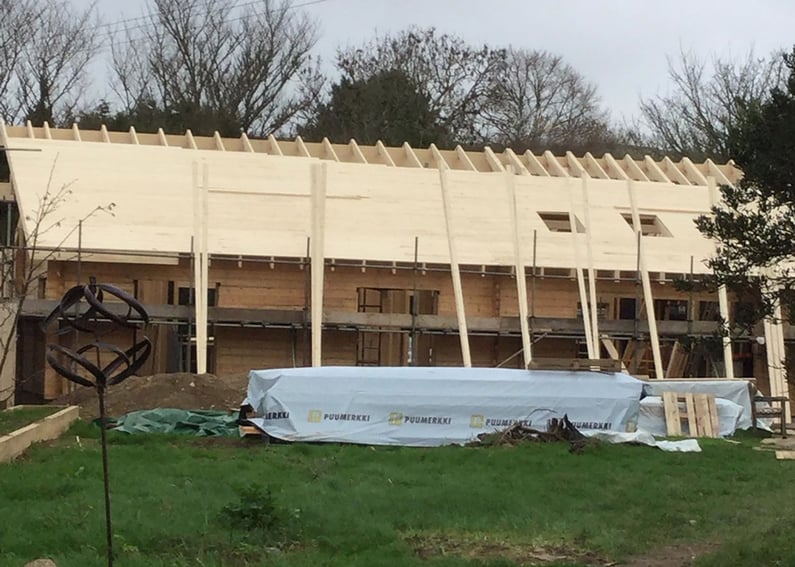
When do you need steel calculations for a home extension?
Here is a practical guide to the scenarios where steel calculations will be required.
1. Removing or modifying a load-bearing wall
This is the most common reason homeowners encounter steel calculations. When a load-bearing wall is removed to create an open-plan layout, connecting the kitchen and dining room, for example, or opening the rear of the house into the new extension, something must replace the structural role that wall was playing. In almost every case, that something is a steel beam.
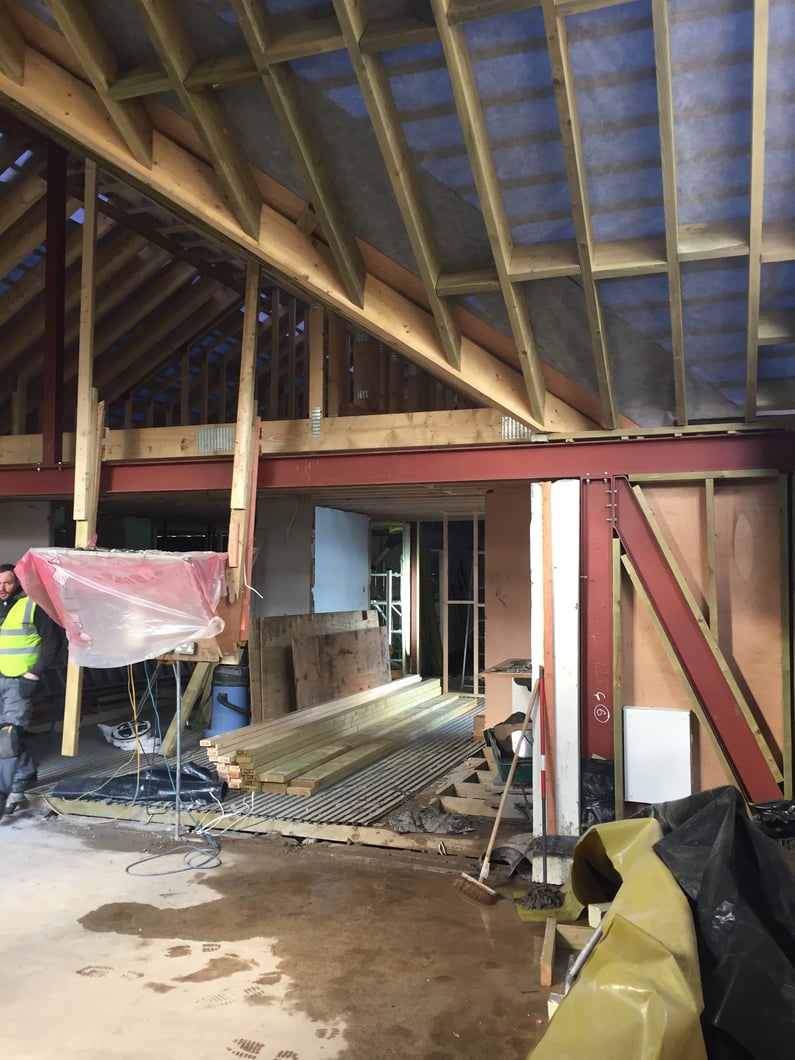
The beam sits above the new opening, supported at each end on the remaining masonry (via padstones), and carries the loads the wall previously transferred to the foundations. A structural engineer calculates the exact beam size required for that specific span, carrying those specific loads.
This work is notifiable under building regulations regardless of whether planning permission is required. You must submit structural calculations before work begins.
2. Single-storey rear extensions
Many single-storey rear extensions involve removing part of the original rear wall of the house to connect the new space to the existing rooms. That rear wall may well be load-bearing, carrying the weight of the floor or roof above. Creating a wide opening through it, installing large bifold or sliding doors, or removing it entirely all require a structural solution, typically a steel beam.
Even where the rear wall is not load-bearing at the point of the opening, the new extension structure itself must be designed. The roof of a flat-roof extension, the lintels above any openings within the extension and the connections between the new and old structure all need to be specified. Structural calculations covering these elements are required for building regulations approval.
3. Two-storey extensions
Two-storey extensions involve greater loads and greater complexity than single-storey builds. The upper floor structure, staircase and additional walls all bear down on the ground-floor elements below. A full structural calculation package, covering foundations, beams, floor joists, wall connections, and roof structure, will be required.
4. Side return extensions
Side return extensions are popular in terraced and semi-detached houses, using the narrow alleyway running alongside the property. Structurally, they typically require a steel beam above the new opening where the side wall has been removed and careful thought about how the new roof plane connects to the existing structure. Calculations are required.
5. Wrap-around extensions
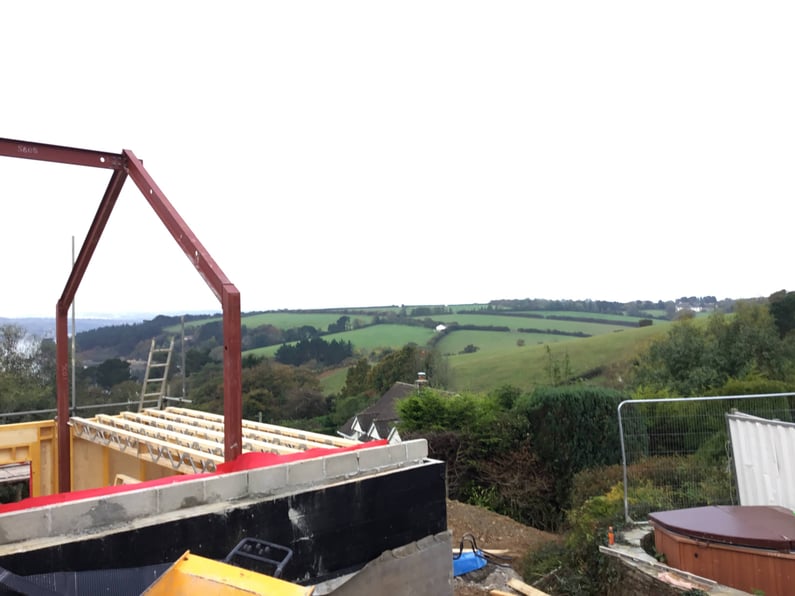
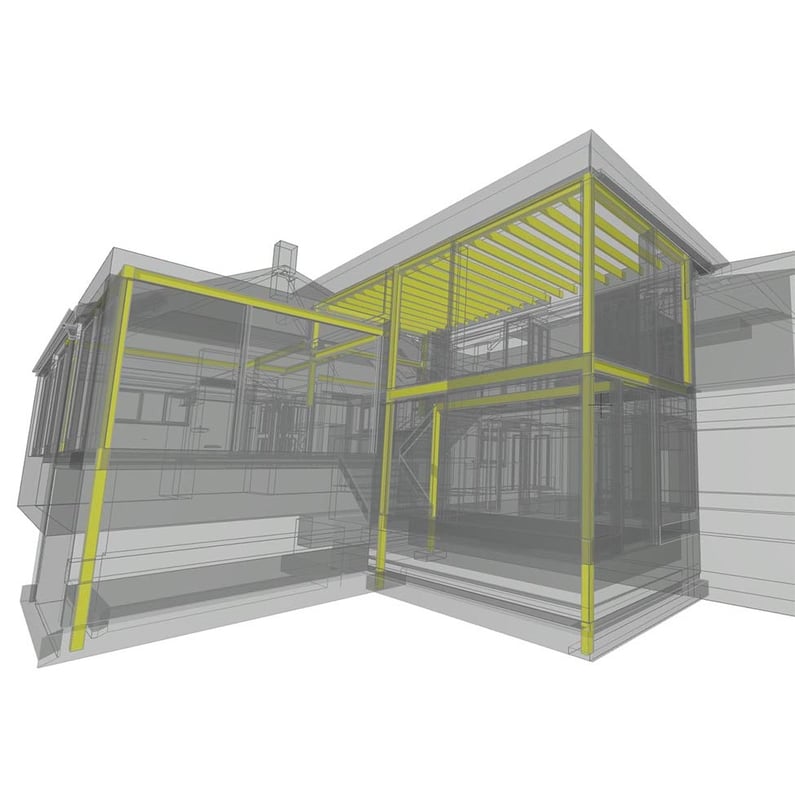
Combining a rear extension with a side return creates a wrap-around extension. These are structurally more complex because they involve removing sections of wall in two planes, creating corner openings that require carefully designed steel frameworks, sometimes called goalpost frames, to transfer loads safely. Structural calculations are essential and typically more involved than for a straightforward single-plane extension.
6. Extensions with large glazed openings
Even where no walls are being removed, installing large bifold doors, sliding doors, or floor-to-ceiling glazing in a new extension wall creates structural requirements. The steel or timber frame above the glazing must be designed to carry the loads above without transferring excessive forces into the glazing units themselves. Engineers will size the lintel or beam above the opening as part of the structural package.
7. Loft conversions involving an extension
Where a loft conversion includes a rear dormer or hip-to-gable extension, structural steel is almost always involved. Ridge beams, purlin supports and the connections between new and existing roof structures all require calculation. If the loft conversion is also combined with a rear extension, the two sets of structural requirements interact and must be designed together.
When might you not need steel calculations?
To be clear: there is no scenario in which steel is installed in a structural role and calculations are not needed. However, there are types of extension work where steel may not be required at all:
Small conservatories on a simple base
A lightweight conservatory attached to the rear of a house without any opening through the existing wall may not involve any structural steel. Building regulations still apply, but structural calculations may be minimal or absent if there is no load redistribution involved.
Extensions where no walls are being removed
If a single-storey extension is being added to the rear of a house without opening through the existing wall (for example, accessed only via an external door), the structural requirements are simpler. Steel may still be present in flat roof beams or lintels, but the calculations are relatively straightforward.
In both cases, you still need building regulations approval, and a Building Control officer will still assess the structural aspects of your project. The difference is one of scale and complexity, not whether professional oversight is needed.
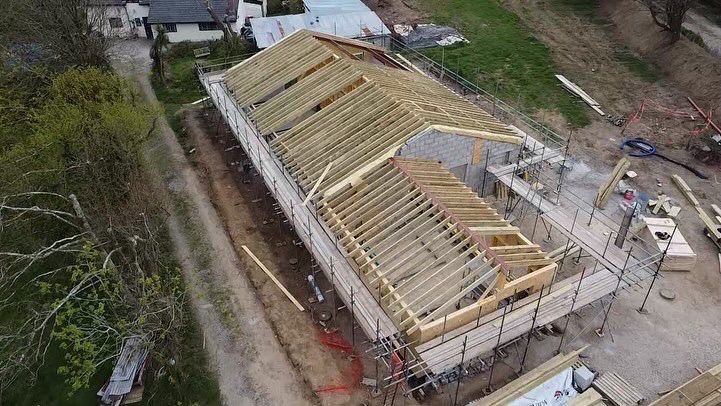
Steel calculations vs. full structural calculations: what's the difference?
Homeowners sometimes hear both terms and wonder whether they are the same thing. The distinction matters.
Steel calculations
Specifically address the sizing of steel elements, beams, columns, connection plates and any padstone or bearing design that goes with them.
Full structural calculations
These cover everything structural in the project: foundations, masonry walls, timber floor joists, roof structures, steel elements, and their interactions. For most extensions, what Building Control requires is a full structural calculation package, of which the steel beam calculations form one part.
Your structural engineer will produce the full package. When people talk about "steel calculations" in the context of an extension, they often mean the broader set of structural documents, the steel beam sizing being the most visible and specific part.
What happens if you skip steel calculations?
This is worth being direct about. Skipping structural calculations, or using a builder who "knows what size beam to use" without engineering sign-off, is a serious risk.
In many cases, the cost of fixing a failed beam or rejected Building Control work exceeds the cost of the original design fees.
Structurally
A beam that is too small will deflect. Visible sagging in ceilings or cracking in floors and walls above the opening are the visible signs. In serious cases, structural failure can occur. These are not theoretical concerns: they happen on real projects where calculations were not done properly.
Legally
Any structural alteration involving a steel beam is notifiable under building regulations. If you proceed without approval, your local authority can require you to open up finished work for inspection, redo non-compliant elements at your own cost, or in extreme cases issue an enforcement notice requiring you to reverse the work entirely.
When you sell
Solicitors conducting conveyancing will ask for building regulations completion certificates for structural work. If you cannot produce them, your sale can be delayed, fall through, or result in price negotiations. Retrospective building regulations approval is possible but more expensive and uncertain than getting it right first time.
For insurance
If structural work was carried out without building regulations approval and something goes wrong, your buildings insurance may not pay out. The insurer can argue that unapproved work voided the policy.
The cost of doing this properly, a structural engineer's fee plus Building Control approval, is small relative to the cost of an extension. It is not the place to cut costs.
Who produces steel calculations?
Steel calculations for residential extensions must be produced by a qualified structural engineer, typically a Chartered Structural Engineer or Chartered Civil Engineer with experience in domestic residential projects. Look for membership of the Institution of Structural Engineers (IStructE) or the Institution of Civil Engineers (ICE).
In practice, your architect will typically coordinate with a structural engineer as part of the design process. At Marraum, we work with trusted structural engineers and manage coordination on behalf of our clients, so you do not have to find and brief a separate engineer yourself, and the structural design is integrated with the architectural design from the start.
Building Control officers review the submitted calculations and may request revisions before granting approval.
How much do steel calculations cost?
Costs vary depending on complexity, number of beams and how much of the existing structure needs to be assessed . As a rough guide:
Single steel beam calculation (for a straightforward wall removal or opening) can cost in the region of £400–£800 including padstone design and Building Control drawings.
Full structural calculation package for a single-storey rear extension, covering foundations, floor, steel beams and roof, could be in the region of £1,000 - £2,000.
More complex projects (two-storey extensions, wrap-arounds, projects with multiple beams or challenging structural conditions) will be higher, £2,000 – £4,000+.
These figures are separate from Building Control fees, which vary by local authority and project type but typically range from a few hundred to over a thousand pounds for a full plans application on a domestic extension.
When comparing quotes, be cautious of very low prices. Structural calculations require qualified engineers producing work to an industry-standard format. Services charging unusually low fees may produce documents that Building Control rejects, costing you time and money to resolve.
The process of having an extension
Understanding this sequence helps avoid delays, missed approvals and costly redesign during construction.
1. Architectural design stage
Your architect develops the technical design for the extension, establishing the layout, the wall openings required and the structural strategy. At Marraum, we think structurally from the start of the design process, understanding how loads flow through the building informs the design, not just the engineering that follows it.
2. Structural engineer appointment
Once the design is established, the structural engineer is briefed. They typically need the architectural drawings, details of the existing building structure and any relevant ground investigation information.
3. Site visit
The structural engineer usually visits the site to confirm the existing structure, identify the construction of walls (brick, block, timber frame), check floor and roof configurations and assess bearing conditions. This is essential for accurate calculations, there is no substitute for seeing the building.
4. Calculations produced
The engineer produces the calculation package, specifying beam sizes, padstone designs, temporary support requirements during construction, and any other structural elements. These are provided in a format suitable for building control submission.
5. Building regulations submission
The architect submits a Full Plans application to Building Control, including the structural calculations, architectural drawings and supporting details. Building Control reviews the submission and issues approval (sometimes with conditions) before work can begin.
6. Construction
Your builder works to the approved drawings and specification. Building Control carries out inspection visits at key stages, foundations, structural steel installation and final completion, before issuing the completion certificate.
The total time from design to being on-site is typically 10–16 weeks for a standard extension, depending on how quickly Building Control processes the submission and whether any revisions are requested.
Frequently asked questions
Plan it right from the start
Steel calculations are not a bureaucratic hurdle. They are the evidence that your home will remain safe and sound after the work is done, that the new beam carries the loads it needs to carry, that the walls supporting it can take the forces and that the whole structure behaves as your engineer intended.
Getting this right is part of what it means to build properly. And building properly is what protects your investment, your family, and your home for the long term.
Working on an extension?
At Marraum, we are RIBA Chartered Architects with extensive experience delivering home extensions across Cornwall and beyond. We design with structure in mind from day one, not as an afterthought. That means fewer surprises, clearer costs and a build that runs as it should.
We work with trusted structural engineers and handle the coordination between architectural and structural design, so you never have to manage multiple professionals independently. Our technical drawings are produced to Building Control standard and we support you through every inspection stage until your completion certificate is issued.
If you are thinking about an extension, at any stage of the process, we would love to have a chat about how we can help - get in touch here.